

The Litter-Robot 5 Pro aims higher, combining automated cleaning with tracking, monitoring, and a level of quiet that’s easy to forget is even running. On paper, it sounds like overkill. In daily life, it feels more like a system that’s designed to stay out of the way.
I’ve been using the Litter-Robot 5 Pro at home with a cat who is quick to protest anything he doesn’t approve of. New litter? Side-eye. New box? Immediate judgment. So when the 5 Pro showed up and was treated like it had always been there, I took that as a good sign. After several weeks of real use—not demos or quick impressions—this review looks at what the Litter-Robot 5 Pro does well, where it asks for compromise, and who will actually get the most value from Whisker’s most advanced model.
| Why people use it | Convenience, better portion control, and clearer insight into what their dog is eating. |
| What matters most | Ingredient quality, customization, flexible delivery, and realistic storage needs. |
| Biggest trade-offs | Higher cost than kibble, freezer space requirements, and subscription management. |
| Best for | Dogs with sensitivities, picky eaters, or owners who value consistency and convenience. |
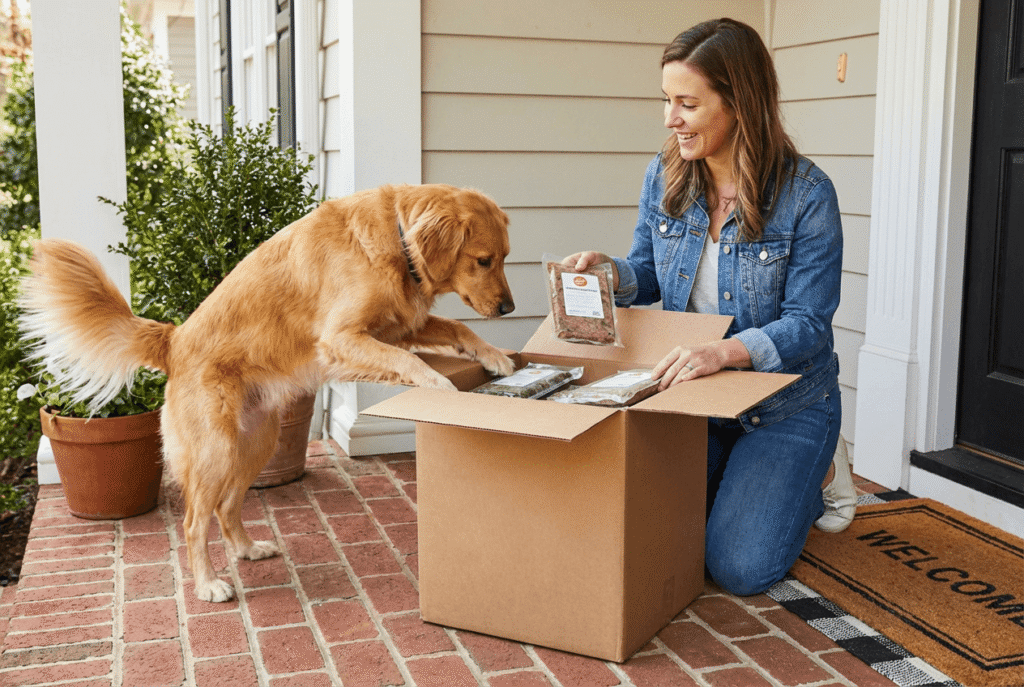
A dog food delivery service is a subscription-based service that sends pre-portioned dog food directly to your home, often customized to your dog’s age, size, activity level, and dietary needs. Most services focus on fresh-cooked, gently prepared, or raw meals and aim to make feeding more consistent by removing guesswork around portions and ingredients.
Most people don’t switch to food delivery because they’re bored with kibble. They do it because something isn’t working, or because life got busier.
Here are the most common reasons dog parents decide to try it:
Dog food delivery works best when you value consistency and clarity. It’s not automatically “better” than high-quality kibble but for the right dog and household, it can simplify feeding and remove a lot of daily decision-making.
Most dog food delivery services follow the same basic process. Once you understand the flow, it becomes much easier to compare options and know what questions to ask before signing up.
You start by entering details about your dog, such as age, weight, breed, activity level, and any known sensitivities or health concerns. The service uses this information to estimate calorie needs and recommend portion sizes.
Some services keep this simple. Others go deeper with health goals like weight management or allergy support. Either way, this step determines how much food you receive and how often.
Based on your dog’s profile, meals are prepared using the company’s chosen method. This might be fresh-cooked, gently prepared, air-dried, or raw, depending on the brand.
Most services focus on:
Meals are portioned, packaged, and shipped on a schedule you choose. Delivery frequency is usually weekly or every two weeks, with some flexibility to adjust timing.
Fresh and raw meals typically arrive frozen or cold-packed, so storage space is something to plan for before ordering.
Most meals are ready to serve with little or no prep. You follow the feeding guidelines provided for your dog’s size and needs, then adjust slightly based on how your dog responds.
Many services make it easy to:
What this means in real life: Once setup is done, food delivery removes a lot of daily decisions. The trade-off is planning ahead for storage and staying aware of your subscription settings.
The right dog food delivery service depends on your dog, your routine, and what you realistically want to manage long-term. These are the factors that matter most once the novelty wears off.
A good service should adjust meals to your dog’s actual needs, not just their size.
If customization feels vague or one-size-fits-all, it is usually a sign the service is not a great fit.
You should be able to understand what you are feeding your dog without decoding labels.
Transparency builds trust and makes it easier to spot potential issues early.
Food delivery should fit your schedule, not lock you into it.
This matters more than people expect, especially when travel or routines change.
Fresh and custom food costs more than traditional kibble, but pricing should still feel fair.
If it feels hard to leave, that is usually a red flag.
This is where many people underestimate the commitment.
Before signing up, make sure your fridge or freezer can realistically handle the deliveries.
Dog food delivery services aren’t just about convenience—they can actually help improve your dog’s overall health and happiness. Here’s how they benefit both you and your pup:
The on-unit display does a lot of the heavy lifting here. Instead of bouncing between your phone and the litter box, the screen walks you through each step clearly and keeps things moving.
There is no single dog food delivery service that works best for every dog. Needs vary based on age, health, preferences, and even how much freezer space you have. Instead of ranking services here, it is more useful to understand the types of options available and which ones tend to work well for different situations.
Below are several well-known services many dog parents explore when deciding whether food delivery is right for their household, listed in the order we most often see people compare them.
Ollie focuses on fresh, cooked meals with simple ingredient lists and flexible plans. It is often a starting point for pet parents who want to try fresh food without committing to something overly complex.
Good fit if you want fresh meals, clear customization, and the ability to adjust plans as your dog’s needs change.
Maev offers vet-formulated raw food with a strong focus on health outcomes, including digestion and skin issues. Their targeted bundles appeal to owners managing specific concerns like allergies.
Good fit if you are interested in raw feeding and want guidance that feels structured rather than experimental.
This service specializes in minimally processed raw meals made from human-grade meats. It is popular with owners who want high protein content and straightforward ingredient sourcing.
Good fit if your dog does well on raw food and you are comfortable handling frozen meals and transitions.
The Pets Table offers multiple plan types designed to work across different budgets, including fresh and gently cooked options. It is often chosen by owners who want flexibility without premium pricing across the board.
Good fit if you want balanced meals with some cost control and are prepared for bulk deliveries.
Known for strong veterinary involvement and therapeutic diet options, this service is frequently used for dogs with medical or prescription-level needs.
Good fit if your dog requires closer nutritional oversight or you want a brand with deep clinical backing.
Like any subscription-based service, dog food delivery has its ups and downs. Here’s a quick breakdown to help you decide if it’s a good fit for your lifestyle and budget:
How to think about it: Dog food delivery is most valuable when convenience, clarity, and consistency matter more than cost. It is less compelling if storage space or budget is tight.
They can be, especially if you value convenience, portion control, and ingredient transparency. Many pet parents find the higher cost is offset by fewer store trips and clearer nutrition.
Not always. High-quality kibble works well for many dogs. Food delivery tends to be most helpful for dogs with sensitivities, picky eaters, or owners who want more control over ingredients and portions.
Yes. Many services offer limited-ingredient recipes or plans designed for common sensitivities. Always review ingredient lists carefully and transition slowly.
It depends on the service and delivery size. Fresh and raw plans usually require freezer space, especially if meals arrive in bulk. Shelf-stable options need little to no freezer space.
Most services allow you to pause, skip, or cancel, but policies vary. It is important to check cancellation rules before signing up so you are not locked into unwanted deliveries.
Fresh meals typically last several days in the refrigerator and a few months in the freezer. Raw meals last longer when frozen. Shelf-stable meals last the longest and do not require refrigeration.
Many dogs adjust well, but preferences vary. Most companies offer trial boxes or satisfaction guarantees so you can test the food without committing long-term.
Yes, as long as the food meets AAFCO standards for your dog’s life stage. Many services tailor portions and recipes specifically for puppies or older dogs.
Yes. Many owners use fresh or raw food as a topper or mix it with kibble. This can help with transitions, cost control, and picky eating.
Choosing a dog food delivery service is less about trends and more about fit. The right option depends on your dog’s health, your daily routine, and how much time and storage space you realistically have. For some households, delivery simplifies feeding and removes guesswork. For others, a high-quality kibble or mixed approach works just as well.
What matters most is consistency. Dogs do best when meals are predictable, portions are appropriate, and ingredients are well tolerated. Food delivery can support that goal, but it is not the only path to it. If you are considering making the switch, start with a service that offers flexibility, clear ingredient information, and an easy way to adjust or cancel if it is not working.
If you want a deeper breakdown with side-by-side comparisons, pricing context, and guidance on which services work best for different types of dogs, our dedicated guide to the best dog food delivery services goes into much more detail. Use this page as your starting point, then choose the option that keeps both you and your dog comfortable and confident at mealtime.