




Dogs are natural explorers, and while their adventurous spirit is one of the things we love most about them, it can also pose risks. Whether it’s chasing after a squirrel or wandering off on a trail, dogs often find themselves in unexpected places. Dog GPS Collars have become a game-changer for keeping pets safe, offering owners the ability to track their furry friends wherever they go.
These devices aren’t just for large properties or rural areas. Even in urban environments, GPS collars provide the reassurance that if your dog gets loose, you’ll know exactly where to find them. In this guide, we’ll discuss the core features of GPS collars, how they work, and how to select the right one for your pet’s unique needs.
Let’s get started and help you find the ideal GPS collar to keep your best friend safe!


Self-cleaning litter boxes use sensors to detect when your cat has used the box. Most models rely on weight sensors or motion detectors to identify recent activity. Once your cat exits and the preset timer has passed, the cleaning cycle begins — making sure your cat has safely left the area.
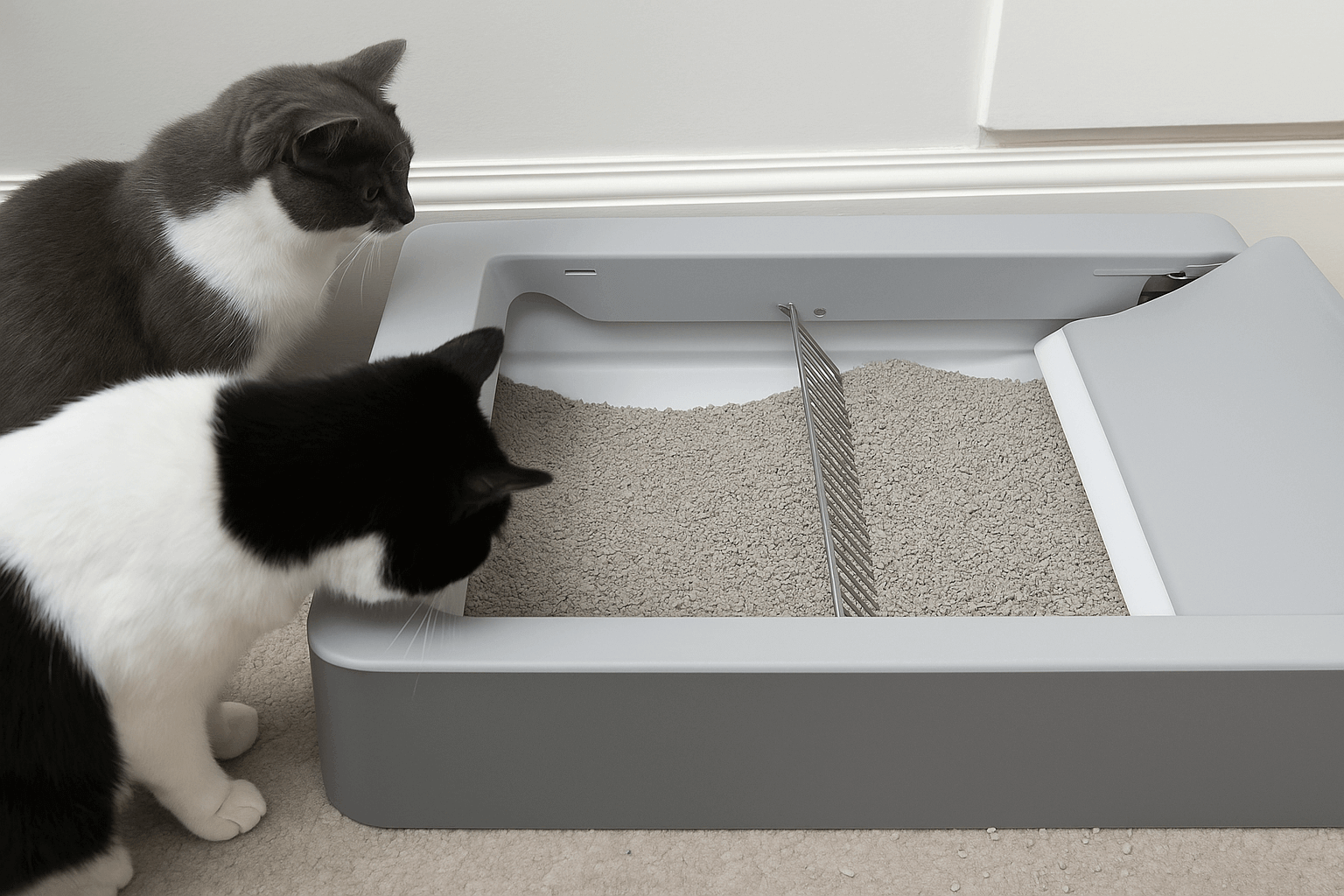

After your cat finishes their business, a built-in rake or scooping arm automatically sifts through the litter, separating waste from clean granules. The waste is pushed into a concealed compartment, helping reduce odors and keeping the box fresh with minimal effort on your part.
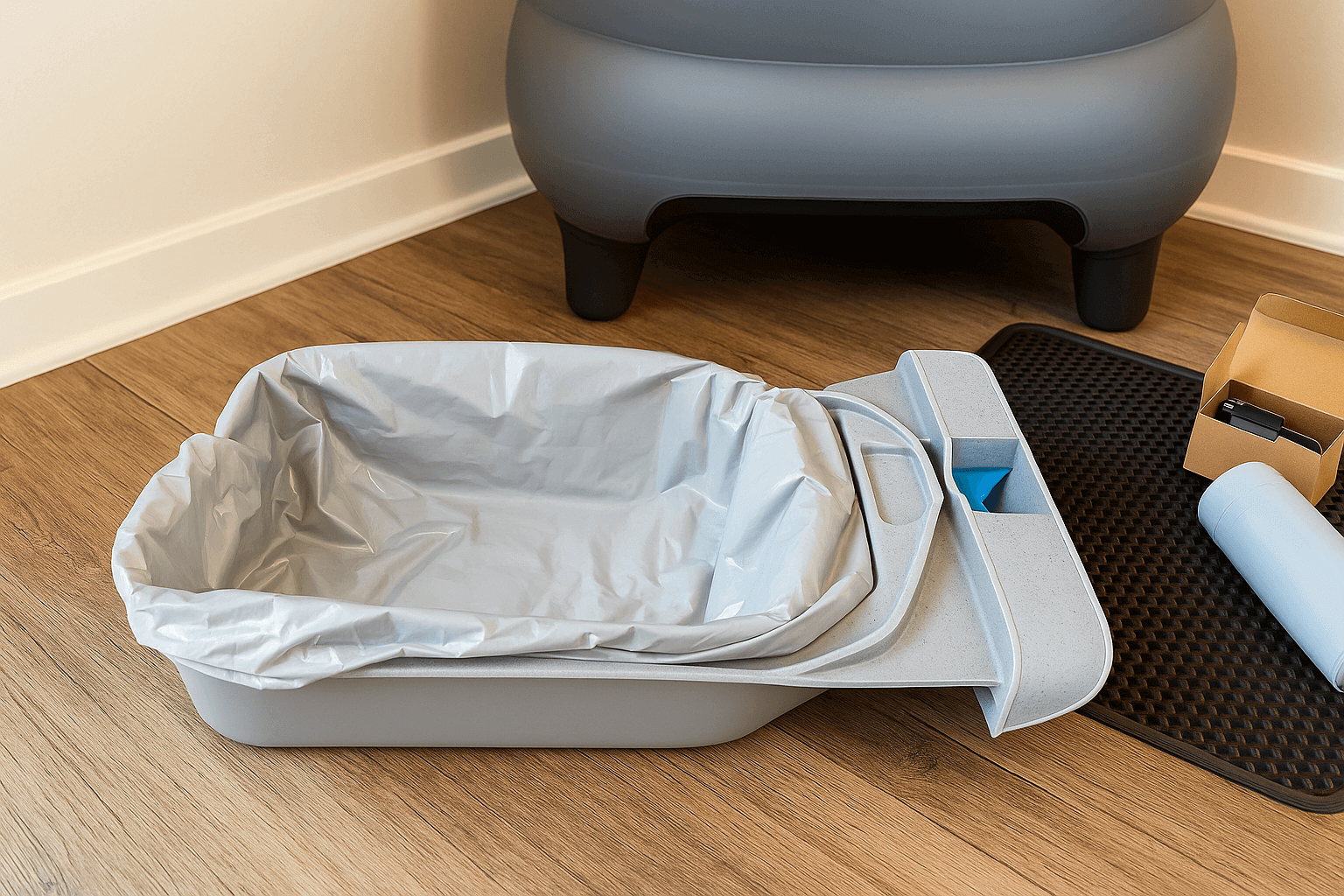

The collected waste is typically deposited into a sealed tray or disposable bin. Many self-cleaning boxes use carbon filters or odor-blocking liners to trap smells and keep your home feeling clean. This closed system helps maintain a hygienic environment with fewer daily chores.
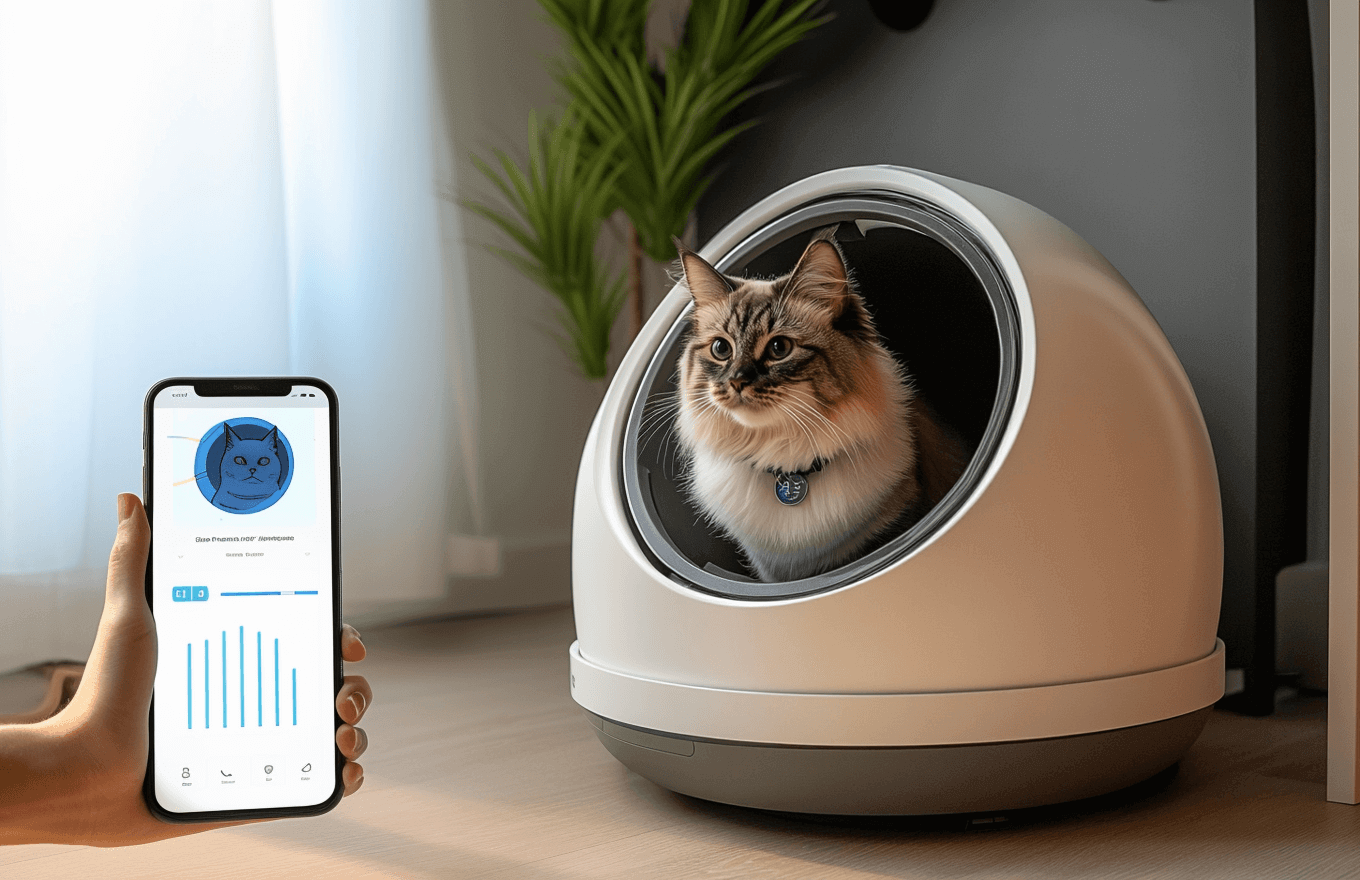

Some self-cleaning litter boxes go a step further with smart features. These include app notifications, maintenance reminders, and usage tracking — helping you monitor your cat’s habits and know when it’s time to empty the bin or refill the litter. It’s modern convenience for modern cat care.

Rake, Sifter, or Rotating Drum?
Different boxes use different mechanisms to remove waste. Some use a rake that sweeps clumps into a bin, while others rotate or sift through the litter. Consider what’s gentlest for your cat and easiest for you to maintain.

Keep Things Smelling Fresh
Look for a litter box with a sealed waste compartment, carbon filters, or deodorizing features. A good odor control system is essential — especially if the box is in a high-traffic area of your home.

Fit for Your Cat and Your Space
From top-entry to open-style designs, litter boxes come in all shapes and sizes. Make sure the box suits your cat’s size and mobility needs — and that it fits comfortably in your living space.
Low Effort, High Tech
Some models notify you when it’s time to empty the tray or add more litter. Others connect to an app and track your cat’s bathroom habits. Choose a system that fits your lifestyle and gives you peace of mind.
No more daily scooping — the box handles waste removal automatically.
Sealed waste bins and filters help trap odors and keep your home smelling fresh.
Perfect for pet parents who travel, work long hours, or want a low-maintenance routine.
A consistently clean box helps prevent litter box avoidance and stress-related accidents.
Some models track your cat’s bathroom habits and notify you of unusual behavior.
Self-cleaning litter boxes are more expensive than traditional ones.
You’ll still need to empty the waste tray and occasionally clean the unit.
Some boxes only work with specific types of litter, limiting your options.
Automated rakes or motors can be loud, which may bother sensitive cats.
Some cats may need time (and encouragement) to get used to the new box.
Yes! Most self-cleaning litter boxes are designed with safety sensors that prevent the cleaning cycle from starting while your cat is inside. However, if you have a kitten or a very small or elderly cat, be sure to choose a model suited to their size and mobility.
Not always. Some models require specific clumping litter or branded crystal/litter cartridges. Always check the manufacturer’s guidelines to make sure you’re using compatible litter for optimal performance.
It depends on your cat’s usage and the size of the waste bin. On average, you’ll need to empty the tray every few days to a week. Multi-cat households may need more frequent emptying.
Most units make some noise during the cleaning cycle, especially those with motors or rakes. Some are quieter than others, so if your cat is noise-sensitive, look for models labeled “low-noise” or “quiet operation.”
Yes, many models are designed for multi-cat use. Just make sure the unit has a large enough waste bin and is rated for multiple cats to ensure it can keep up with the demand.
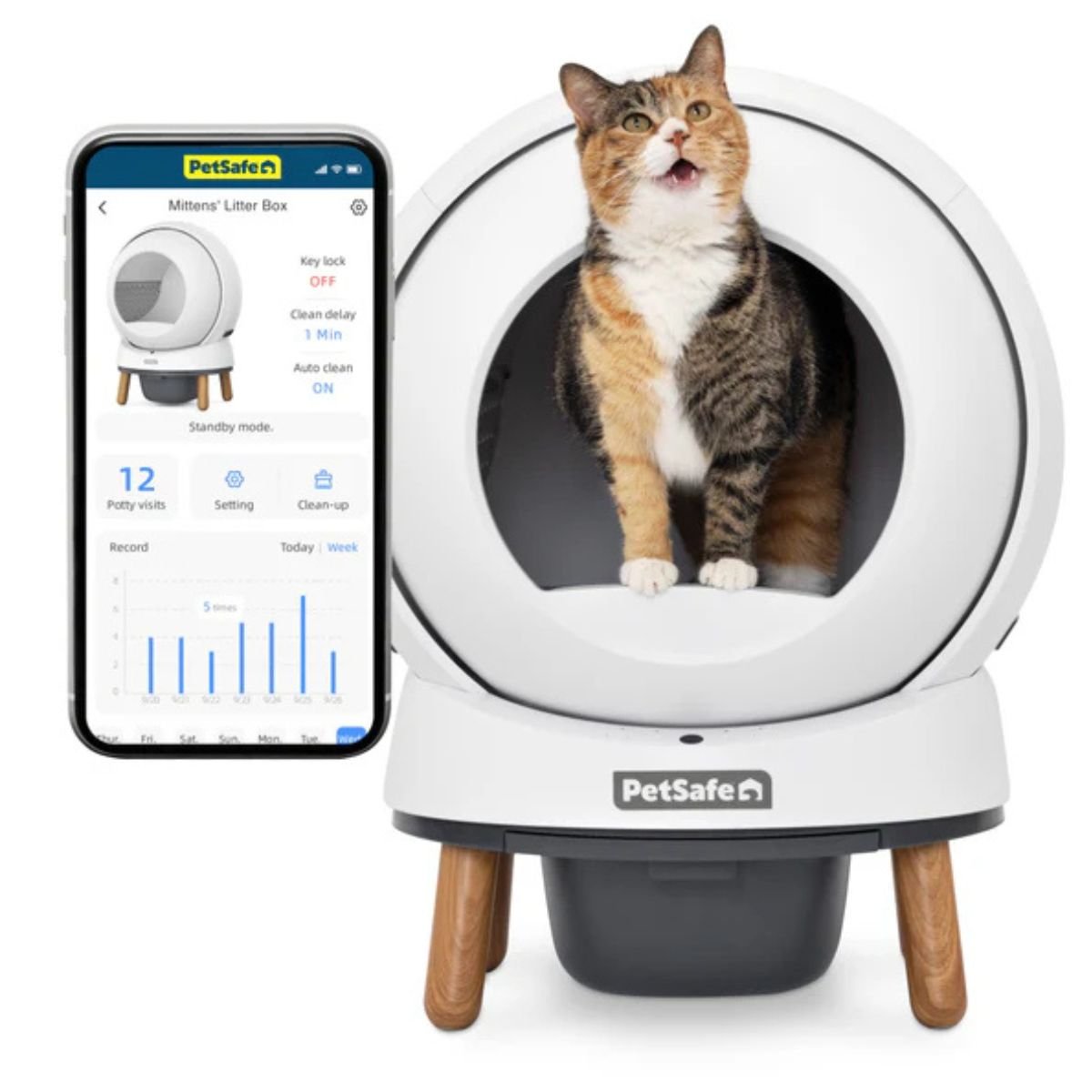
ScoopFree SmartSpin
Best Deal Guaranteed: Save $60 with Coupon Code MEOW60
The PetSafe ScoopFree® SmartSpin™ is an automatic, self-cleaning litter box designed to simplify cat care. Utilizing a rotating mechanism, it sifts waste into a sealed bin, providing hands-free cleaning for up to two weeks. The system offers enhanced odor control and is compatible with various litter types. Additionally, the SmartSpin app tracks your cat’s weight and litter box usage, offering health monitoring capabilities.
5/5
5/5
5/5
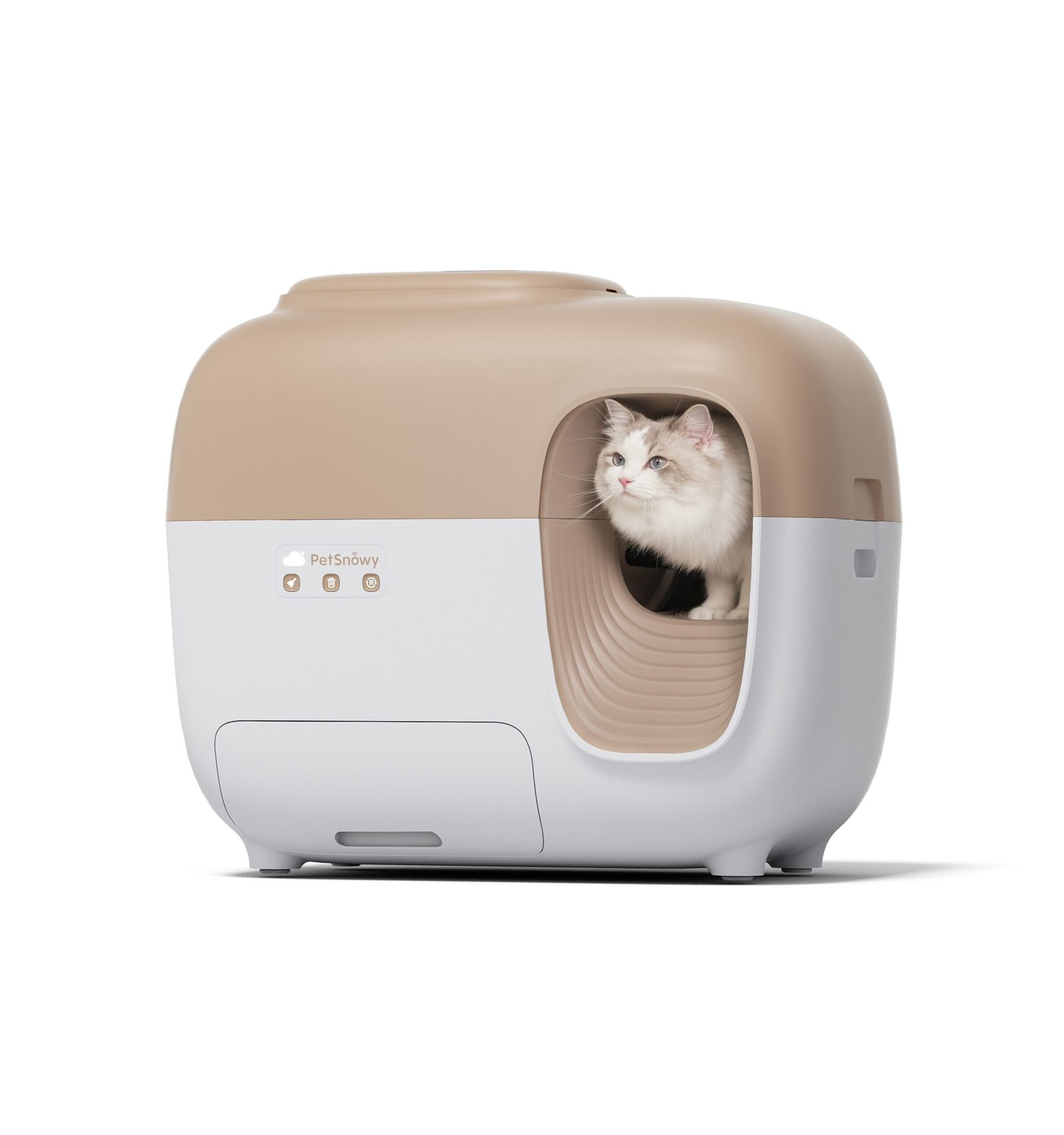
SNOW+ Self-Cleaning Litter Box
Save $140 + Get a $77 Starter Kit for Free
5/5
5/5
5/5
Best Deal Guaranteed: Save $200 with code Save200
5/5
5/5
5/5
