My vet needed about ten seconds. That’s how long it took her to hear Freya’s symptoms out loud and say, “It’s almost definitely her heart.” X-rays and an ECG backed her up within the hour. I’d spent weeks quietly blaming her hips, her age, the summer heat, maybe one too many chipmunk chases catching up with a dog who’s closing in on ten.
What actually caught me off guard wasn’t the diagnosis itself. It was the aftermath. Going in, I’d read plenty about symptoms, staging and medication names. None of that told me what an ordinary Tuesday looks like once you’re living with a dog whose heart doesn’t quite work the way it used to.
So this isn’t a symptom checklist, and it isn’t medical advice for your dog, whose heart disease may not look anything like Freya’s. It’s the practical stuff. What to watch for before a diagnosis, and what actually changes once you have one.
FYI, this post does include affiliate links for products and services that I found helpful. However, the purpose of this post isn’t to try to sell you something. It’s mostly a way for me to process Freya’s heart disease diagnosis and hopefully help someone else going through the same thing.
If a heart disease diagnosis just landed on you and you're not sure what happens next, this comes from someone who was exactly there, not from a symptom checklist.
What Early Heart Disease in Dogs Can Look Like
None of Freya’s early symptoms showed up together, and none of them screamed heart problem on their own. A stiff morning here. A cough that cleared up by lunch. A day she begged for a long walk, followed by a day she wanted to be left alone on the porch. Taken one at a time, every one of those has an innocent explanation: heat, arthritis, a rough night’s sleep.
It’s only in hindsight, diagnosis in hand, that the pattern shows up at all. That’s the trap. A handful of forgettable symptoms doesn’t feel like something worth investigating until something forces the issue.
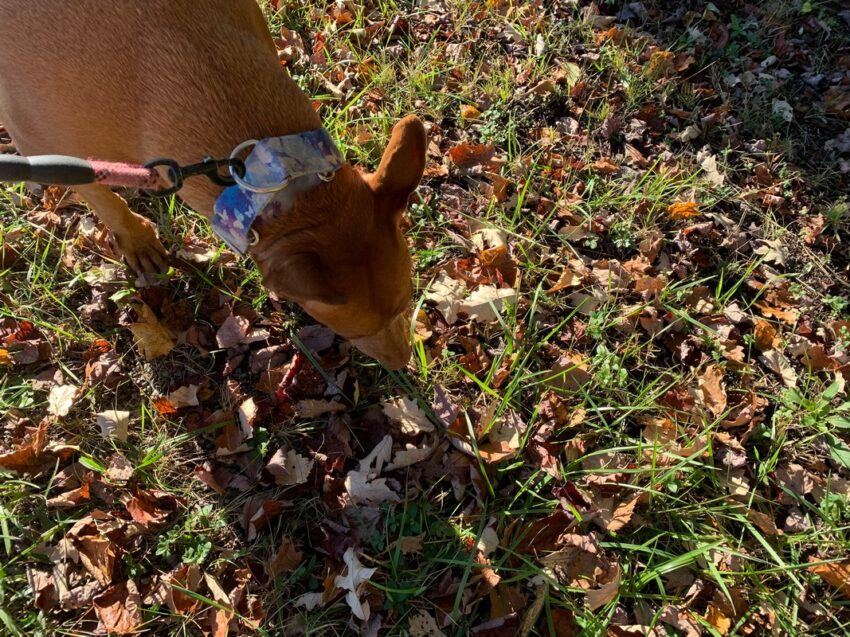
For us, that something was a bear on the far side of our fence. Freya sounded the alarm, tore up the hill after it, and went down. She was back on her feet within seconds, no fainting, nothing dramatic, and I chalked it up to her bad back leg giving out in the heat.
When to Call the Vet Instead of Googling It
I had a Dutch telehealth membership (one of the best telehealth vets) sitting completely unused while all of this was unfolding, which in hindsight was a mistake. A quick video call likely would have ended with some version of “get her to your regular vet today,” the same read my actual vet gave me in under a minute once she heard the details out loud.
Here’s the pattern worth borrowing: if you’re cycling through search results trying to decide whether your dog’s symptoms add up to a heart problem, stop. Search engines and AI chats are genuinely useful once you have a diagnosis and a specific question. They’re the wrong tool for deciding whether to make the call in the first place. Make the call.
Dutch offers ongoing telehealth care for dogs, not just quick advice. You’ll get personalized treatment plans from licensed vets and, in many cases, prescriptions delivered to your door. Ideal for managing chronic issues like allergies, anxiety, and skin conditions without constant in-person visits.
LIMITED TIME OFFER
SAVE 32% OFF MEMBERSHIP WITH TECHNOBARK32
+ GET $25 CREDIT FOR PREVENTATIVE ESSENTIALS
Pro Tips
Telehealth vets can’t run an ECG through a phone screen, but a service like Dutch is built for exactly this moment: describe what you’re seeing and get a straight answer on whether it’s urgent enough for an in-person visit. It’s also the fastest way to get the constant stream of “is this normal” questions answered once you’re a few weeks into a diagnosis.
What Changes Day to Day After a Diagnosis
Medication Logistics Become Part of Life
Three prescriptions came home with us that first day. Furosemide, to pull excess fluid off her lungs. Enalapril, to manage her blood pressure. And pimobendan, better known by its brand name VetMedin, which helps her heart pump more effectively. Vets tend to consider that third one close to essential for this type of heart disease. It was also the one that turned pilling Freya into a full production, since she could sniff it out no matter what we buried it in.
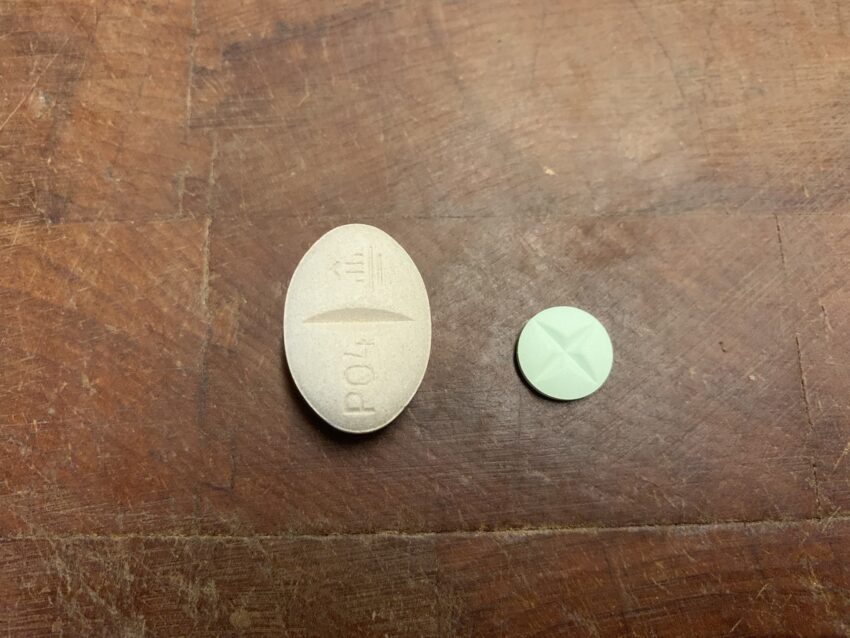
A month into the standard tablets, her vet switched her to a compounded version of the same drug. Compounding just means a pharmacy rebuilds the same active ingredient into a different shape or size, and for Freya that meant trading a tablet the size of a small coin for a smaller, dime-thin one. The bill dropped too, from just over $250 a month to $142, even though her dose actually went up.
If pilling has turned into a daily wrestling match at your house, ask your own vet whether compounding is an option. Some clinics want a few weeks on the standard tablets first, just to confirm the medication is working before they make the switch. We just started it a week ago and already our lives are so much easier.
If you are new to pilling a dog, I LOVE this video. Dr. Buzby says some really hilarious things in it, and I needed that comic relief. We had to move all the way to #5 because Freya outsmarted the first four pretty quickly, but each one did work for a day or two.
Pro Tips
Not every clinic compounds in-house, but plenty of online pet pharmacies carry compounded pimobendan at a real discount, especially through autoship. Even a small percentage off adds up fast on something you’re giving every single day, indefinitely.
Appetite Becomes Its Own Adventure
Before her diagnosis, Freya would eat anything within reach, on schedule, no negotiation required. These days her appetite runs on no discernible logic. She’ll clean a bowl Monday and refuse the identical meal Tuesday, then accept it again by the weekend like nothing happened.
Some of that’s probably the medication talking. Some might just be age. Either way, fighting it stopped being useful pretty quickly. Her vet’s advice was blunt: let her eat whatever she’ll actually eat right now, within reason, while her heart gets stable. Calorie count wins over ideal diet for the time being.
A short list of things that have actually moved the needle for us:
- Stage two baby food. The plain meat-and-water kind, nothing fancier. It’s not enough calories on its own to count as a meal, but it often gets her interested enough to eat something more substantial right after.
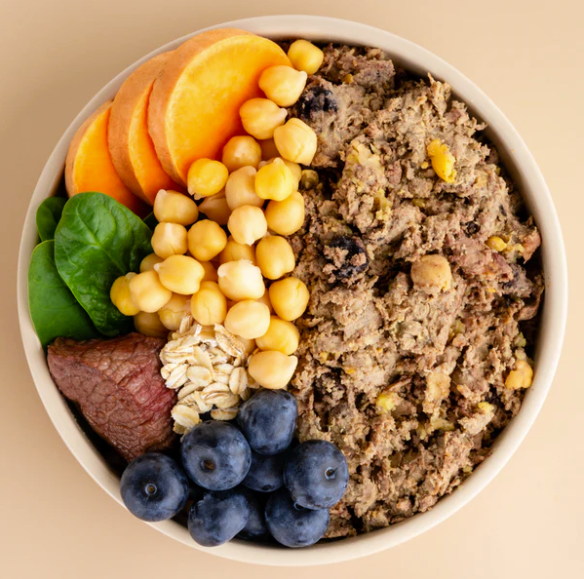
- Fresh food over kibble. She’s done with kibble entirely and hit-or-miss on canned. Fresh rotations land more often, roughly every other day, with Farmer’s Dog and DASH the two she’ll actually eat.
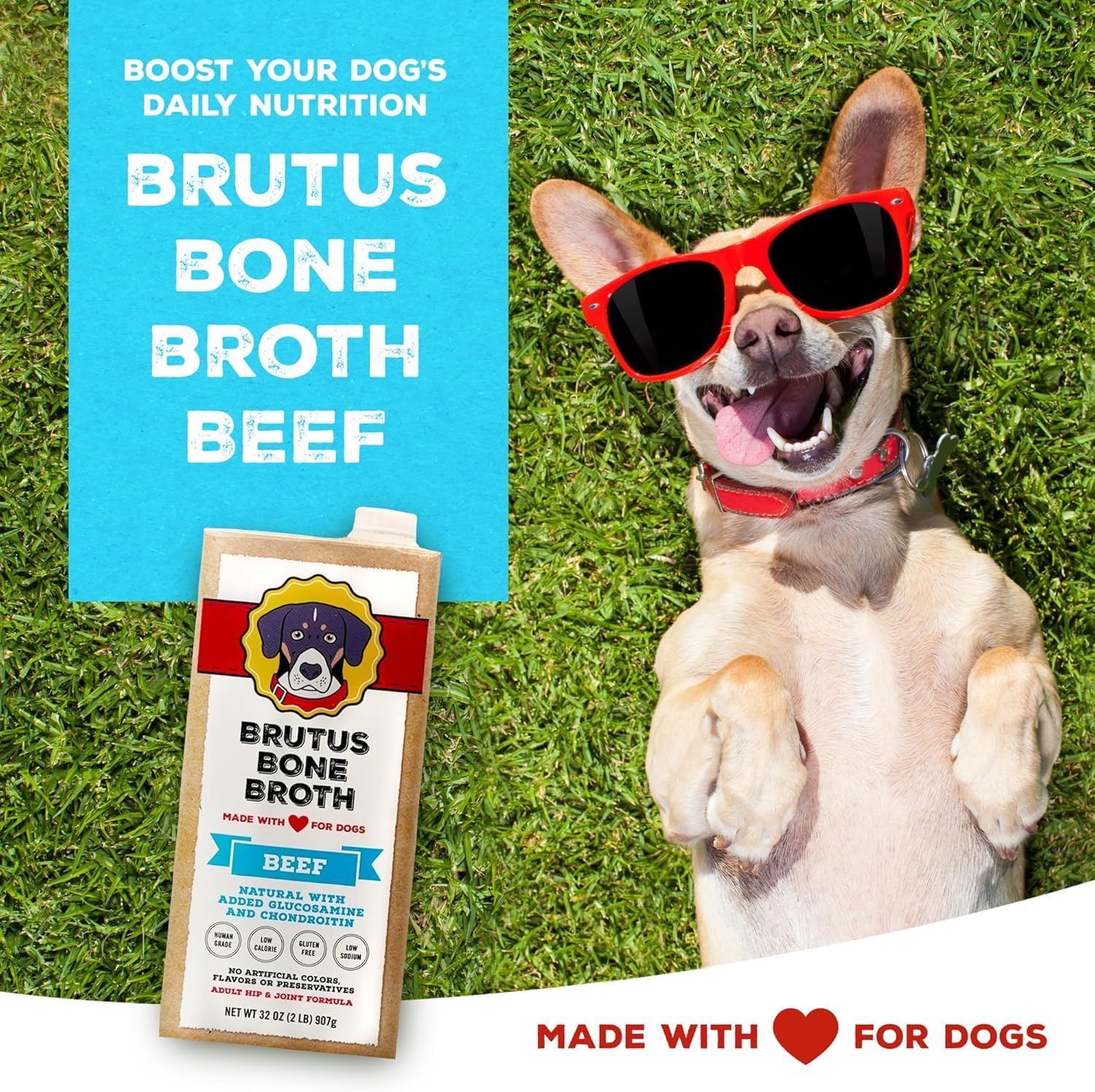
- A dog-specific bone broth. Human bone broth is a no-go, too much sodium, sometimes onion. Brutus Broth is the low-sodium swap that works for us, either on its own or poured over something blander.
- A different bowl entirely. No real explanation for this one, but Freya walked away from her metal bowl one day and never looked back. A plate gets better results, not every time, but often enough to be worth trying.
|
Description: Fresh, human-grade food made from real ingredients for a healthier pup today and tomorrow. Recipes made from whole food ingredients, slow cooked for nutrition and flavor and always fresh. BEST PRICE ON WEB 60% OFF YOUR FIRST BOX |
Description: A sous-vide style fresh dog food where antibiotic-free, certified humane meat makes up over 50% of the recipe. Fortified with whole food ingredients for premium nutrition and enhanced with pre- and post-biotics to ensure healthy digestion. GUARANTEED BEST PRICE SAVE 50% OFF YOUR FIRST ORDER |
Description: Every serving of Brutus Bone Broth for dogs is infused with Glucosamine and Chondroitin to support healthy hips and joints in all dogs including puppies and older dogs. Available in multiple flavors, including a plant-based recipe. |
Fresh, human-grade food made from real ingredients for a healthier pup today and tomorrow. Recipes made from whole food ingredients, slow cooked for nutrition and flavor and always fresh.
BEST PRICE ON WEB
60% OFF YOUR FIRST BOX
A sous-vide style fresh dog food where antibiotic-free, certified humane meat makes up over 50% of the recipe. Fortified with whole food ingredients for premium nutrition and enhanced with pre- and post-biotics to ensure healthy digestion.
GUARANTEED BEST PRICE
SAVE 50% OFF YOUR FIRST ORDER
Every serving of Brutus Bone Broth for dogs is infused with Glucosamine and Chondroitin to support healthy hips and joints in all dogs including puppies and older dogs. Available in multiple flavors, including a plant-based recipe.
A Health Tracker Can Ease the Watching
Post-diagnosis hypervigilance is real, and nobody warns you about it going in. Every nap earns a mental question mark: tired, or something worse? Every cough gets the same treatment. It’s a genuinely draining way to live, even once you logically know most of it amounts to nothing.
A wearable tracker took some of that weight off for us. Ours is the Maven Pet Health Tracker, which clips onto her collar and quietly logs heart rate, breathing rate and activity in the background. I still watch her constantly, that part hasn’t changed, but now there’s actual data to check against instead of pure gut feeling. It won’t replace your vet and it won’t replace watching your own dog, but it turns “something feels off” into “here’s the number, does this look off to you too.”
Supplements Need a Second Look
A quality multivitamin or whole-food topper, we use Fera Pets’ Whole Food version, can genuinely help fill gaps on days when a dog barely eats. The catch is that heart disease rewrites the label-reading rules entirely.
Plenty of ingredients that are perfectly fine for a healthy dog aren’t fine for one with a heart condition, or one taking heart medication specifically. Sodium is the big one to watch for. Anything new gets run by Freya’s vet first, or a Dutch telehealth vet if the regular clinic is too backed up, before it ever touches her bowl.
Packed with a blend of fruits, vegetables and organ meats, this supplement provides vital whole foods for whole body health. Whether you are feeding dry kibble, wet food, fresh or raw food, Fera’s Whole Food Multivitamin is a blend of nutrients designed to complement any diet.

Pro Tips
Cardiac support supplements sound like exactly what you’d want here, but ask before you buy one. They’re generally built to help prevent heart disease in at-risk dogs who aren’t medicated yet, often by lowering blood pressure. Stack that on top of a dog already taking a blood pressure medication and you’re courting the opposite problem. Run it by your vet before it goes anywhere near the food bowl, not after.
Learning to Track Resting Respiratory Rate
There’s an acronym you’ll pick up fast after a diagnosis like this one: RRR, short for resting respiratory rate. All it means is counting how many breaths your dog takes per minute while they’re genuinely asleep, and it’s one of the most useful numbers an owner can track without any special equipment.
The method: watch the chest rise and fall, count each full cycle as one breath, tally for 30 seconds and double it. A full 60-second count works too if that’s easier. Once you know your dog’s baseline, even a 15-second count times four gets you close enough. A phone timer helps, since counting breaths and watching a clock at the same time is trickier than it sounds.
Sleep is the key word here, not just resting. Heat, activity, excitement, even barking at a squirrel through the window, all push the number up temporarily, and true sleep strips those variables out. Thirty breaths a minute or under is the general benchmark for a healthy dog, though plenty sit comfortably in the high teens or low twenties. Your own vet may set a different number for your specific dog, and that number wins over any general rule.
Single readings can mislead you, though. Freya once hit the low 30s during a thunderstorm, pure anxiety, nothing cardiac about it. What actually matters is the trend. If a dog who normally sits at 18 to 20 starts drifting into the high 20s or 30s for several days running, that pattern is worth a call to the vet. Logging the numbers somewhere, even just notes on your phone, makes those shifts obvious instead of easy to miss.
Common Mistakes to Avoid
Treating Every Cough Like an Emergency
My anxiety used to spike at every single cough in the early weeks. Fluid buildup? A worsening heart? Time for an emergency vet? Eventually I remembered something I already knew before any of this started: dogs cough for a dozen unremarkable reasons, drinking too fast and plain excitement among them. New coughing, worsening coughing, or coughing paired with labored breathing still deserves attention. But there’s a real difference between staying observant and assuming disaster every single time.
Measuring Your Dog Against Their Old Self
This comparison will wear you out faster than the disease itself. Freya’s decline was abrupt: chasing chipmunks and raiding the garden for green beans one week, sleeping through the day and ignoring her favorite games the next. Medication brought her partway back, to a version of normal that isn’t quite the old normal.
She’s also closing in on ten, so some slowdown was probably coming with or without a heart diagnosis. Somewhere along the way, the goal shifted from getting back the dog she used to be to making the most of the dog actually in front of me.
Trying to Diagnose It Yourself Online
Typing symptoms into a search bar or an AI chatbot to build your own diagnosis is tempting, and understandable. Those tools genuinely earn their keep after a diagnosis, for follow-up questions and context. Before one, they’re a poor substitute for a vet with a stethoscope and access to imaging. When something feels wrong, the call comes first. The research comes after.
Frequently Asked Questions
What are the earliest signs of heart disease in dogs?
Early signs are often subtle and easy to explain away: mild coughing, tiring more quickly on walks, occasional stiffness, or restlessness at night. There is rarely one dramatic symptom. A vet visit with a full exam, and often imaging like an X-ray or ECG, is the only reliable way to tell early heart disease apart from normal aging or minor aches.
Is heart disease in dogs curable?
Most forms are not curable, but many are very manageable with medication, diet and monitoring. Dogs with conditions like mitral valve disease or dilated cardiomyopathy can often live comfortably for a long time once they are on the right treatment plan, especially when it is caught before severe symptoms set in.
How long can a dog live after a heart disease diagnosis?
It varies enormously depending on the type and stage of disease, the dog’s age, and how well they respond to treatment. Some dogs live for years on medication with a good quality of life. This is genuinely a question to ask your own vet or a veterinary cardiologist, since general statistics do not account for your specific dog’s condition.
Is heart disease painful for dogs?
Heart disease itself is not typically described as painful in the way an injury is, but the symptoms, especially fluid buildup and difficulty breathing, can be genuinely distressing for a dog. This is part of why managing symptoms and catching changes early matters so much for quality of life.
Can diet help a dog with heart disease?
Diet can play a real supporting role, particularly around sodium intake, but it should be guided by a vet rather than assembled from general advice online, since the right approach depends on the specific condition and medications involved. This is also why appetite changes after a diagnosis deserve attention rather than being dismissed as pickiness.
What is resting respiratory rate and why does it matter?
It is how many breaths a dog takes per minute while fully asleep, and it is one of the most consistent ways to catch worsening heart failure at home, often before other symptoms become obvious. A rate under 30 breaths per minute is generally considered normal, though your vet may set a different threshold for your specific dog.
When is a heart disease symptom an emergency?
Labored or open-mouth breathing at rest, blue or pale gums, collapse that does not resolve quickly, or a resting respiratory rate that has climbed sharply over a short period are all reasons to seek emergency care rather than waiting for a regular appointment. When in doubt, a same-day call to your vet or an emergency clinic is always the safer choice.
Final Thoughts
If your own dog just got this news, I remember exactly how those first days feel, like the floor gave out underneath you. Here’s the thing that eventually pulled me out of it: a diagnosis like this doesn’t erase the good parts.
Freya still runs her backyard patrol route every single morning. She still stops for every interesting smell like it’s the first one she’s ever encountered. Chipmunks remain, as far as she’s concerned, a personal grudge match. Life looks different than it did a few months ago, but it kept going, and we kept adjusting alongside it.
The honest data point is that most dogs with heart disease do well long-term once they’re stabilized on the right medications. I spent the better part of a week crying after Freya’s diagnosis, and that grief hasn’t fully disappeared. But most days now, I’d rather spend my attention on the dog currently plotting chipmunk warfare in my yard than on everything the diagnosis took from us.