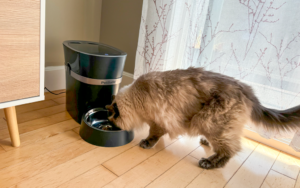
Smalls kept coming up in conversations with other multi-cat owners. Not as a sponsored recommendation but as genuine word of mouth, specifically from people with at least one notoriously picky cat. That is the category of product recommendation I actually pay attention to, because picky cats don’t lie and their owners know it.
I tested it with all three of my indoor cats over several weeks: Zoe, Alex and Leia. (Leia is a kitten with absolutely zero respect for boundaries, anyone else’s mealtime or the concept of waiting her turn. She is enthusiastic about everything, which makes her useful but statistically unreliable as a taste tester.) I ordered both the Smooth and Pulled formats across multiple proteins, including chicken, beef and pork. My focus was ingredient quality, real-world palatability across three very different palates, what the customization experience actually looked like in practice and what the ongoing cost worked out to once the sampler pricing was gone.
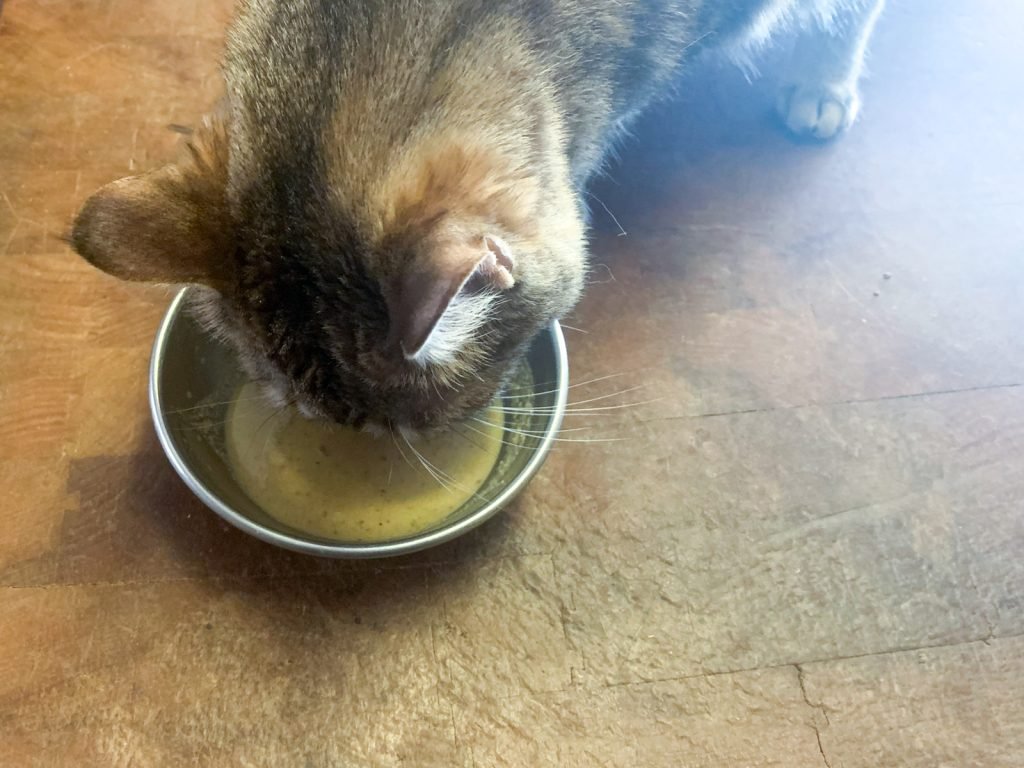
The short version: Smalls is genuinely good. The ingredients match what the brand promises. And Zoe, who has been known to stare at a bowl of perfectly reasonable food like it personally wronged her, ate it. Every time. That tells me something.
Editor Note: Trusted Pet Review may earn a commission on qualifying purchases made through links in this post, at no extra cost to you. We only recommend products we’d genuinely consider for our own pets.
The sampler box is available at a lower entry price, but the ongoing subscription rate is the number that matters long-term. This review covers both.
Big Pet Food prioritizes profits over cat health and they pack cat food with preservatives and fillers. Smalls believes cats deserve better and uses natural ingredients and added vitamins and minerals in our food. The fresh food come in many delicious flavors and textures.
What Smalls Actually Is
Smalls is a fresh cat food subscription service, and that distinction matters more than the marketing around it. This is not food that gets processed, shelf-stabilized and then purchased weeks or months later. Meals are made with whole, recognizable ingredients, cooked fresh, portioned and shipped frozen directly to the door on a schedule you set.
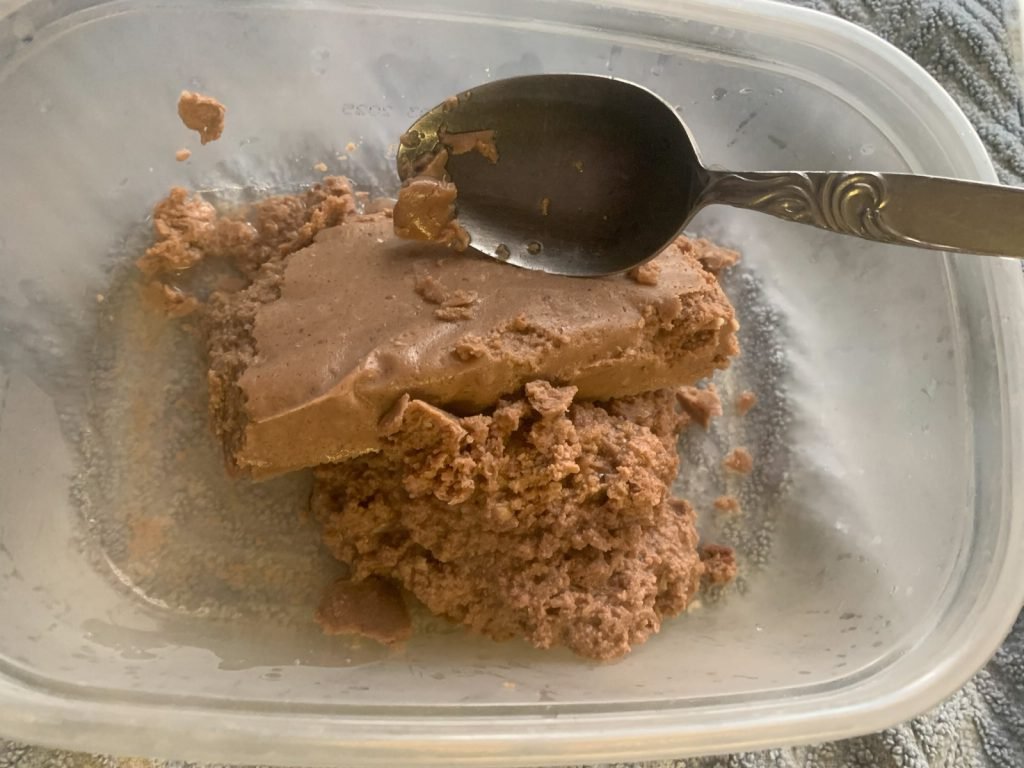
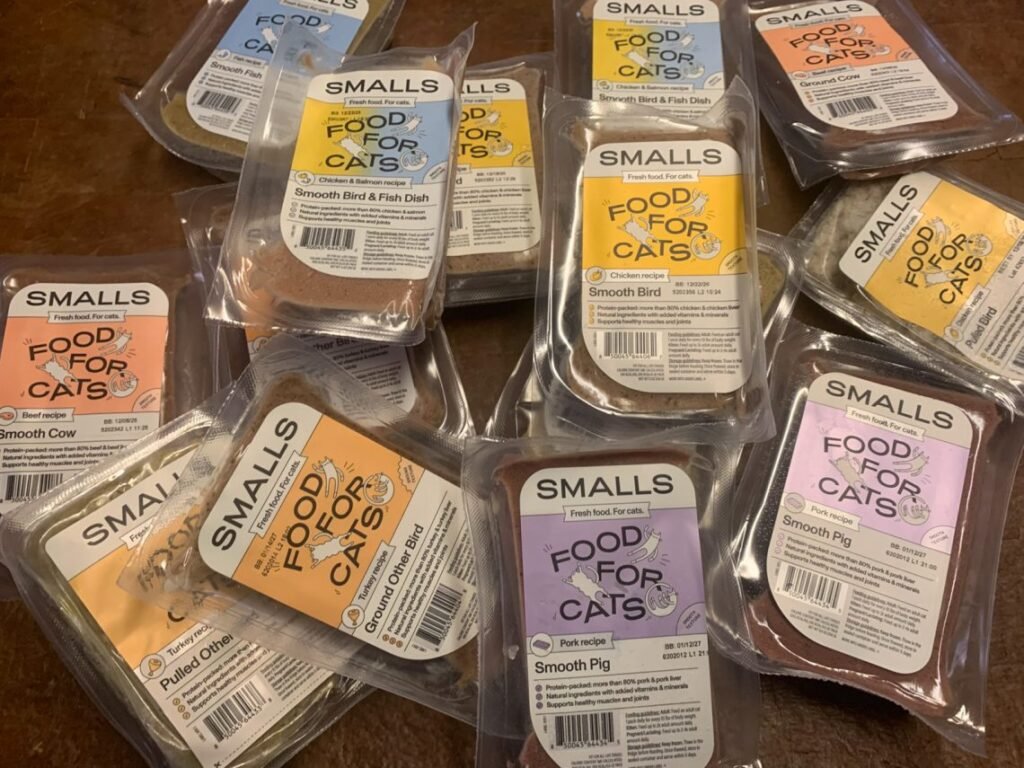
The two texture formats are one of the more genuinely useful things about this brand. Smooth is a classic pate-style consistency, close to what most cats are used to from standard canned food. Pulled is shredded, with actual strands of meat that look and feel like real food rather than uniform paste. Having both options matters in a multi-cat household, where texture preferences rarely align and getting everyone to eat the same thing is its own project.
FYI: “Human-grade” has a specific legal meaning in pet food. It means the ingredients and the production facility both meet the standards required for human food manufacturing. That is meaningfully different from terms like “premium” or “natural,” which carry no regulatory definition. Worth understanding before comparing Smalls to brands that use the term more loosely.
Smalls at a Glance
Type | Fresh, human-grade cat food; subscription delivery service |
Best For | Picky eaters, multi-cat households, owners who want full ingredient transparency |
Textures | Smooth (pate-style) and Pulled (shredded) |
Proteins | Chicken, beef, pork, turkey and fish |
Life Stage | Formulated for all life stages; AAFCO complete and balanced |
Customization | Meal plans tailored via online quiz; adjustable after signup |
Delivery | Ships frozen; thaw in refrigerator before serving; frequency adjustable |
Made In | USA; human-grade ingredients and facilities |
Storage Needed | Freezer space for delivery; refrigerator space for active thawing |
Subscription | Required; pause or cancel online without a phone call |
Trial/Sampler | Risk-free sampler available; ongoing subscription price differs |
Main Concern | Cost and quiz-required browsing before seeing the full recipe lineup |
How It Works
The Signup and Customization Process
The quiz walkthrough is thorough without being tedious. You enter each cat’s name, age, weight, current food and any known preferences or sensitivities. Smalls builds a suggested plan from that profile, but you are not locked in. Proteins can be swapped, textures can be adjusted and portions can be changed at any point after signup.
One note worth mentioning: you complete the entire quiz before you can see the full recipe lineup. I understand the logic. The model is built around personalization, and a one-size-fits-all browse page does not fit that framework. But if you are someone who likes to evaluate what is available before investing time in a quiz, the experience feels a bit backwards. Not a dealbreaker, but it came up every time I mentioned this brand to another cat owner. The sampler option now available helps with this, since it lets your cat try the range before you fully commit.
The good news: if you have more than one cat, you add all of them in a single quiz session. One process, one plan, one delivery. For a three-cat household, that is genuinely convenient.
Delivery and Storage
Deliveries arrive frozen and go straight into the freezer. You move individual pouches to the refrigerator to thaw before serving, which takes a few hours or overnight depending on your preference. Once thawed, each pouch is portioned and ready to serve. No measuring, no guessing and no scooping from a bulk container.
The freezer logistics are worth thinking through before the first box arrives. A full delivery for multiple cats takes up real space. My setup handled it without issue, but if you are working with a standard fridge-freezer combination in a smaller kitchen, it is worth planning around before the first order. A small chest freezer resolves it entirely. That is a logistics note, not a quality concern, but it is the one I hear about most from people who end up pausing their subscription.

Pro Tip
If your cat is used to pate-style food, start with the Smooth option and introduce Pulled gradually rather than switching all at once. The texture difference is more significant than it sounds on paper, and cats with strong texture preferences may need a few days to warm up to the shredded format. Starting where they are comfortable and transitioning from there avoids unnecessary resistance during the first week.
Recipes and Ingredients
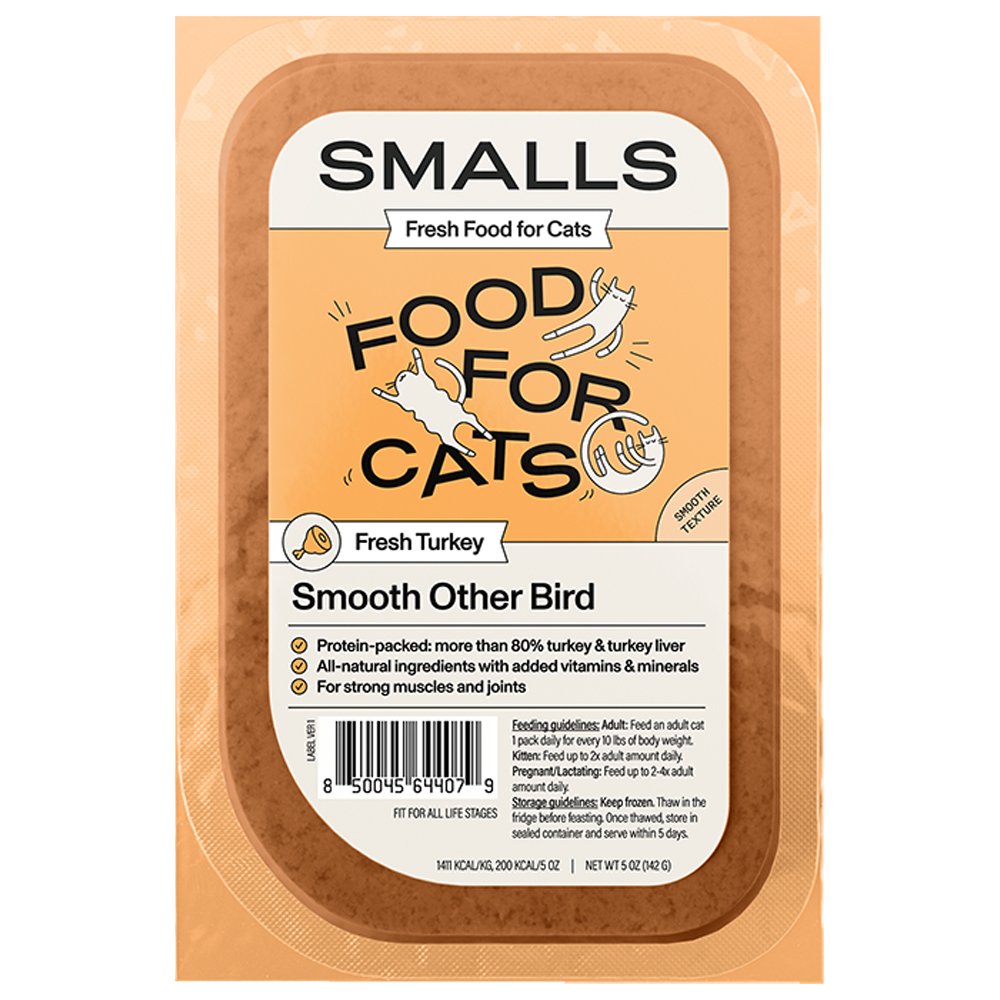
Smalls offers recipes across five proteins: chicken, beef, pork, turkey and fish. Each is available in Smooth or Pulled format, which gives real flexibility if your cat has strong texture or protein preferences. One note: the Fresh Smooth Fish and “Other Bird” options carry a small surcharge per packet, currently $0.50. It sounds minor. It adds up if those turn into the favorites, which they often do.
The ingredient quality is consistent with what the brand promises. Named proteins, organ meat (which cats need and which most commercial foods under-deliver on), vegetables and a vitamin and mineral supplement to round out the nutritional profile. No mystery meat meals, no artificial preservatives and no ingredient names that send you to a search engine. The lists are short enough to read before your coffee gets cold.
Moisture content is worth calling out specifically. Cats evolved as desert animals and get most of their hydration from food rather than a water bowl. Fresh food naturally contains significantly more moisture than dry kibble and meaningfully more than most canned options. That matters for kidney health, urinary tract function and overall hydration in ways that the feeding chart on the back of a kibble bag simply does not capture.
Palatability
Let me be honest about the test panel: Zoe and Leia have standards. Zoe’s are well-documented and subject to revision at any moment. Leia’s are newer and mostly consist of investigating whatever anyone else is eating and then deciding she also wants it.
Both the Smooth and Pulled formats went over without incident. Zoe, who I genuinely expected to require a transition period and possibly some negotiation, ate the Pulled chicken without the theatrical pauses she reserves for foods she is evaluating. That alone got my attention. Alex, who will eat nearly anything and serves as my baseline for palatability testing, was equally enthusiastic, which confirms the food tastes good to cats rather than just to the people reading the ingredient label.
The texture variety did its job. Cats used to uniform pate sometimes need a few days to adjust to the shredded format. Zoe took it in stride. Leia treated it as an upgrade. If your cat is deeply committed to smooth texture, the Smooth option is a very close match to standard canned food and does not require any adjustment period.
The Cost: What It Actually Works Out To
Let’s be honest about what fresh cat food costs, because the sampler pricing is designed to be easy to say yes to and the ongoing subscription rate is the number that actually matters.
Smalls builds pricing around the individual cat’s profile, which means there is no single number that applies universally. For a single cat, ongoing subscription costs typically fall somewhere in the $35 to $60 range per month depending on the cat’s size, the proteins selected and whether you are ordering Smooth, Pulled or a mix of both. For a multi-cat household, that number scales with the number of cats. Three cats will run significantly more than one.
That cost is real and worth working out before committing. The relevant comparison is not Smalls versus the cheapest food at the grocery store. It is Smalls versus whatever you currently spend on food, the vet visits that can be traced back to diet quality, the supplements you add to compensate for nutritional gaps and how much weight you give to knowing exactly what goes into every bowl. For some households that math makes the cost easy to justify. For others it does not, and that is a legitimate outcome worth figuring out before the sampler ends.
One practical note: subscription management is more flexible than average here. Proteins, textures and portions can all be adjusted through the account portal. You can skip shipments or cancel without a phone call. That level of control is not universal in subscription cat food services, and it matters for long-term usability.
- Ingredient transparency Whole, named proteins and short ingredient lists with no rendered meals, fillers or mystery by-products. You can read the full list in under a minute.
- Two texture options Smooth pate and Pulled shredded cover the full spectrum of cat preferences, which is genuinely useful in a multi-cat household where those preferences rarely align.
- Wide protein variety Chicken, beef, pork, turkey and fish give real flexibility. Any protein your cat rejects can be removed from the plan entirely.
- Customizable, adjustable plans Proteins, textures and portions can be changed through the account portal without a phone call. Shipments can be skipped or cancelled the same way.
- High moisture content Fresh food naturally contains more water than dry kibble, supporting the hydration pattern cats are biologically designed for.
- AAFCO complete and balanced for all life stages Meets the nutritional standards required for long-term feeding as a primary diet, not just as a supplement or topper.
- Premium pricing Significantly more expensive than traditional canned or dry food. The ongoing cost adds up quickly in a multi-cat household.
- Quiz-required browsing The full recipe lineup is not visible without completing the customization process first, which is frustrating if you prefer to browse before committing time to a quiz.
- Some recipes cost extra Fresh Smooth Fish and the Other Bird options carry an additional $0.50 per packet, which adds up if those become favorites.
- Requires freezer and fridge space Deliveries arrive frozen and need to be thawed before serving. A multi-cat order takes up meaningful freezer real estate.
Who This Is Best For
Cats with food sensitivities or chronic digestive issues. Named proteins, no artificial additives and short ingredient lists reduce the variable count significantly for cats with recurring loose stool, skin issues or unexplained gastrointestinal upset. Fresh food eliminates many of the usual culprits at once.
Picky eaters. Cats that routinely leave food in the bowl, show low enthusiasm at mealtimes or have rejected multiple brands tend to respond well to the texture and smell of fresh food. The difference from processed canned food is meaningful enough to resolve selectivity in many cases.
Multi-cat households. The ability to add multiple cats in a single quiz session and manage one combined delivery is genuinely useful. The texture and protein flexibility makes it easier to find options that work across different preferences in the same household.
Owners who want full ingredient transparency. If you want to know exactly what goes into every meal without a research project, Smalls delivers that. The ingredient lists are short, named and readable.
The case is less clear for households where the ongoing cost is genuinely prohibitive, cats already thriving on a high-quality canned food without digestive or palatability issues and households without enough freezer space to accommodate regular deliveries. In those situations a premium canned food or a mixed feeding approach (fresh food as a topper rather than a full meal replacement) may be the more practical fit.
Frequently Asked Questions
What is fresh cat food and how is it different from standard canned food?
Fresh cat food is minimally processed using whole, recognizable ingredients cooked at low temperatures. Standard canned food is typically heat-processed at higher temperatures, which allows for longer shelf life but also degrades some heat-sensitive nutrients. Fresh food is closer to a cat’s natural prey diet in moisture content, ingredient quality and processing level. It requires refrigeration once thawed rather than shelf storage.
Is fresh cat food nutritionally complete for long-term feeding?
Reputable fresh cat food brands formulate their recipes to meet AAFCO nutritional standards for complete and balanced feeding. That designation means the food provides all required nutrients for long-term use as a primary diet rather than as a supplement or occasional treat. It is worth finding the AAFCO statement on any fresh food before making it a permanent part of your cat’s diet.
How does the subscription model work and can it be paused or cancelled?
Fresh cat food subscriptions operate on a recurring delivery schedule based on your cat’s consumption rate. Delivery frequency, portion size and recipe selection can typically be adjusted through the online account portal. Skipping a shipment or cancelling does not require a phone call with most services. Read the cancellation terms before subscribing so you know exactly what the process looks like.
How much freezer and refrigerator space do fresh cat food deliveries require?
Deliveries arrive frozen and need to be transferred to the freezer on arrival. Individual portions are moved to the refrigerator to thaw before each serving. The space required depends on how many cats you are feeding and the delivery frequency. A single cat requires modest space. Multiple cats require planning, particularly if you are working with a standard refrigerator-freezer combination. A small chest freezer resolves the space issue for larger orders.
Do cats need a transition period when switching to fresh food?
Most cats benefit from a gradual transition over seven to ten days when switching from any existing food to something significantly different. Starting with a small proportion of new food mixed with the current food and increasing the ratio daily gives the digestive system time to adjust. Switching too quickly, regardless of the quality of the new food, increases the likelihood of loose stool or reduced appetite during the change.
Can fresh cat food support weight management?
Fresh food’s higher moisture content and typically lower caloric density compared to dry kibble can support satiety with fewer calories. Subscription services that calculate portions based on a target weight rather than a generic feeding guide build weight management into the plan from the start. That is more precise than estimating from a bag with a chart calibrated for average activity levels.
Is fresh cat food appropriate for cats at all life stages?
Yes, provided the recipe is formulated and labeled for all life stages. Kittens have higher protein and calorie requirements than adult cats, and senior cats may have specific nutritional needs related to kidney function, joint health or changing metabolic rates. Confirm that any fresh food you select carries an AAFCO statement for the appropriate life stage before feeding it long-term.
Final Verdict
I went into this review expecting the food to be good. I came out thinking it is genuinely excellent.
The ingredient quality is what the brand says it is. The textures are both legitimately useful and not just two versions of the same thing. The subscription tools are more flexible than most in this category. And Zoe, who will make her displeasure about substandard food very clear to everyone in the vicinity, ate it. Every time. Without drama. For Zoe, that is essentially a standing ovation.
The honest version of this verdict is that Smalls is a very good product at a price that is not right for every household. For cats with sensitivities, picky eating habits or owners who want to know exactly what goes into every meal, the value is straightforward. For cats already thriving on a quality canned food without issues, the calculation depends almost entirely on how much weight you give to ingredient transparency versus ongoing cost.
Work out the actual monthly subscription number for your specific cats before the sampler ends. That number is the real decision point, and it is the right place to start.
Big Pet Food prioritizes profits over cat health and they pack cat food with preservatives and fillers. Smalls believes cats deserve better and uses natural ingredients and added vitamins and minerals in our food. The fresh food come in many delicious flavors and textures.